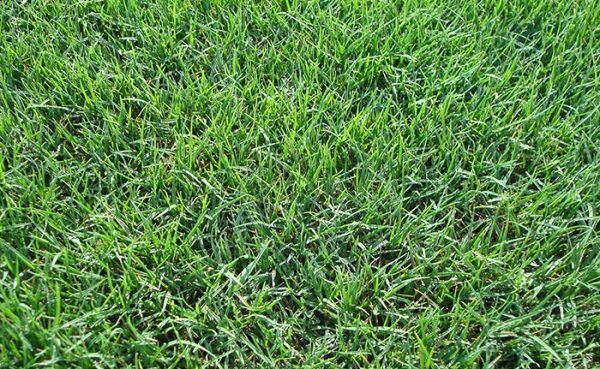
It’s recommended to perform a soil test before installing your Bermuda sod. Prepare the area by tilling to ensure at least 3-4 inches of soft soil, or consider adding topsoil. As you lay the sod, water each section immediately instead of waiting until the entire project is done. Watering should supplement rainfall, and during the first two weeks, aim for at least ¼ inch of water on days without rain. Be cautious not to overwater but keep the sod and soil moist. After installation, water daily without overwatering, and allow 2-3 weeks for the grass to root. Once rooted, switch to a regular morning watering schedule. Using a roller on the sod helps secure the backing to the soil.
During the growing season, we recommend mowing your Bermuda lawn at least once a week, keeping it between 1 and 2 inches tall. Use a rotary or reel mower with sharp blades and be sure to remove clippings. Apply fertilizer specifically labeled for Bermuda grass during the active growing season, and always fertilize when the grass is dry to avoid fertilizer burn. It’s a good idea to test your soil to determine the best fertilizer ratio. Additionally, use a pre-emergent herbicide in the fall and spring to prevent weeds from germinating, following the product label instructions carefully.
